
If you want to make your own game and earn from it, you need more than a fun idea. You need a clear experience, a reason for people to return, and a smart plan for how the project can create value. Many beginners think payment only comes after building something huge. That is not true. A small project can still earn money if it solves the right problem for the right audience. On Astrocade, the better starting point is simple: build something playable, test it, improve the parts people enjoy, then connect that attention to a clear earning path.
Why a game builder helps creators think like earners
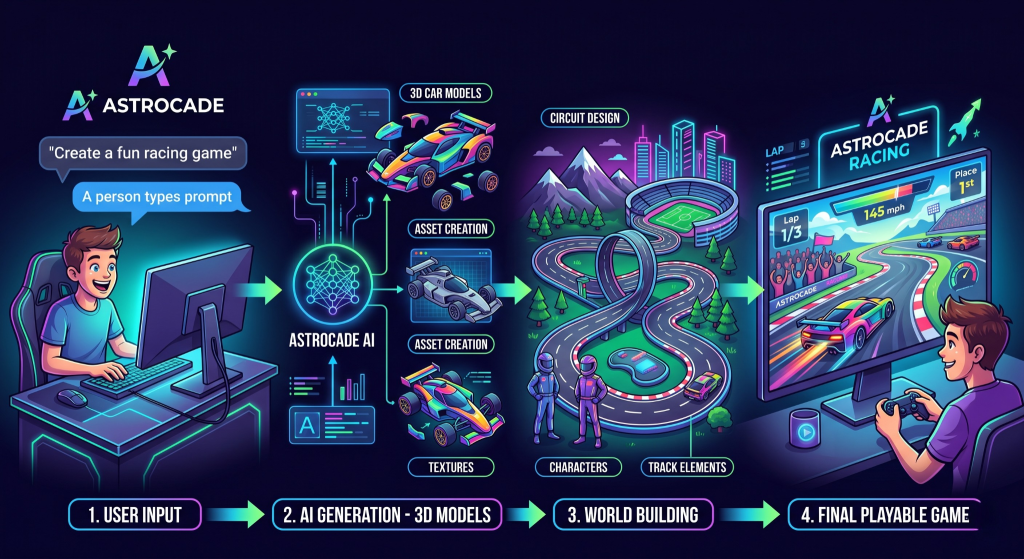
A game builder helps creators move from idea to testable work faster, which matters when money is part of the goal. You cannot earn from an idea that stays in your notes. You need a version people can try, understand, and enjoy. Once the project is playable, you can learn what people like, where they stop, and what makes them return.
To create a game that has earning potential, focus on value first. Value can mean fun, relaxation, challenge, creativity, skill, surprise, or replay. If the experience gives people a reason to spend time with it, you have a base to grow from. Money should not be the first feature you add. The first priority is making the core experience clear and enjoyable. After that, you can think about rewards, upgrades, support, access, or other earning methods that fit naturally.
Start with a project people can understand fast
A project that earns money usually starts with clarity. If people cannot understand what they are doing in the first few seconds, they may leave before they see the best part. A strong earning path starts with a strong first experience. The idea should be easy to explain, easy to start, and easy to replay.
Before using an AI game maker, check your idea like this:
- What does the user do first?
- What is the main goal?
- What makes the experience enjoyable?
- What makes someone return?
- What part could become more valuable over time?
- What can be improved after feedback?
- What should stay free and easy to access?
- What extra value could support earning later?
- What makes the project feel different from basic templates?
- What would someone tell a friend after trying it?
Pick an earning model that fits the experience
Not every project should earn in the same way. Some ideas work better with cosmetic upgrades. Some work better with premium access, bonus levels, creator support, sponsorships, ads, or community-based growth. The right choice depends on what people value inside the experience. If earning feels forced, it can hurt trust. If it fits naturally, it can support the project without making users feel pushed.
For example, a skill project might earn through extra challenge packs. A design project might earn through special decoration sets. A strategy project might earn through advanced scenarios. A fast-score project might earn through sponsored challenges or reward-based access. The key is simple: do not block the main fun too early. Let people enjoy the base experience first. Then offer extras that feel useful, fair, or exciting.
About Hello Kitty’s CuteRoom
Hello Kitty’s CuteRoom is a relaxing room decoration game where the user designs and customizes a cute room using Hello Kitty-themed furniture and items. The idea has a clear earning path because decoration projects often grow through creative choice, item variety, themed sets, room upgrades, and personal style. A first version can focus on placing furniture, changing room layouts, saving designs, and giving users a cozy creative space, while later updates can add more item packs, room themes, style goals, and reward-based customization.
How a no-code game maker supports faster monetization testing
A no-code game maker helps you test earning ideas without waiting until the whole project feels finished. This is useful because creators often guess wrong about what people will pay for. You may think users want one feature, but testing may show they care more about style, speed, challenge, rewards, or status. A faster build process lets you test these signals earlier.
Use these checks before adding earning features:
- Does the base project feel useful or enjoyable without payment?
- Do users understand the main action quickly?
- Is there a clear reason to return?
- Are rewards easy to notice?
- Can extra content add value without hurting the free experience?
- Does the earning idea match the project type?
- Would users feel helped, not trapped?
- Can you test one earning idea at a time?
- Can feedback show which extra features matter most?
- Does the project still feel fair after adding paid value?
Build trust before asking for payment
Trust matters when you want people to pay. Users are more likely to support a creator when the project feels clear, fair, and worth their time. If the first experience feels broken, confusing, or thin, earning features may look pushy. Build trust by making the free experience smooth enough to show real effort.
This does not mean giving everything away. It means showing quality before asking for support. Let users understand the core idea. Give them a reason to care. Show that updates improve the experience. Make rewards clear. Keep pricing or access simple if you add paid options later. Trust grows when people feel respected. A fair project can earn better over time than one that feels rushed or greedy.
How to build a game with earning potential
To build a game that you can earn, start with a strong loop. The loop is what the user keeps doing. If the loop is weak, monetization will not save it. If the loop is strong, earning options can support it. The loop might be created, improved, shared, and returned. It might be to attempt, fail, learn, and retry. It might collect, upgrade, and grow.
Think about what users value inside that loop. Do they value better tools? More creative choices? Harder levels? Faster progress? Personal expression? Competition? Relaxation? Once you know what they value, you can design earning options that fit. A creator should never add paid features only because they are common. Add them because they make sense for the experience.
Keep making games around audience behavior
Making games for income means watching behavior closely. Opinions can help, but behavior shows stronger signals. If users replay often, your loop has promise. If they spend time customizing, creative options may matter. If they chase higher scores, challenge packs may fit. If they share results, social proof may help growth. These signs guide smarter decisions.
Do not rush to add paid features before learning what people enjoy. First, see where users spend time. See what they ignore. See what they repeat. See what makes them return. Then improve that part. A project earns better when the earning path grows from real interest, not guesses. The more you understand user behavior, the better your updates become.
Turn attention into long-term value
Attention is the first step, not the final goal. A project might get early interest because of its idea, style, or hook. Long-term earning needs more. It needs updates, clear rewards, fair systems, and a reason for users to stay connected. If people enjoy the first version, your next job is to give them something worth coming back for.
This can be done through new content, improved pacing, better feedback, seasonal ideas, creator challenges, fresh levels, or stronger customization. Keep updates focused. Do not add random features just to look active. Improve the part users already like. That builds loyalty. Loyal users are more likely to support, share, and return. That is where earning becomes more stable.
Earning from a project is possible, but it starts with value. Build a clear experience first. Test it with real users. Find the part people enjoy most. Improve that part before adding payment ideas. Then choose an earning model that fits the experience naturally. A fair project with a strong loop has a better chance to grow than a rushed project with forced monetization.
Astrocade can help creators create game ideas faster, test early versions, and learn what users actually care about. Start small, build trust, and connect earning options to real value. You do not need to chase money before the project is ready. Make something people enjoy first, then build a smart path that lets your work support you over time.