
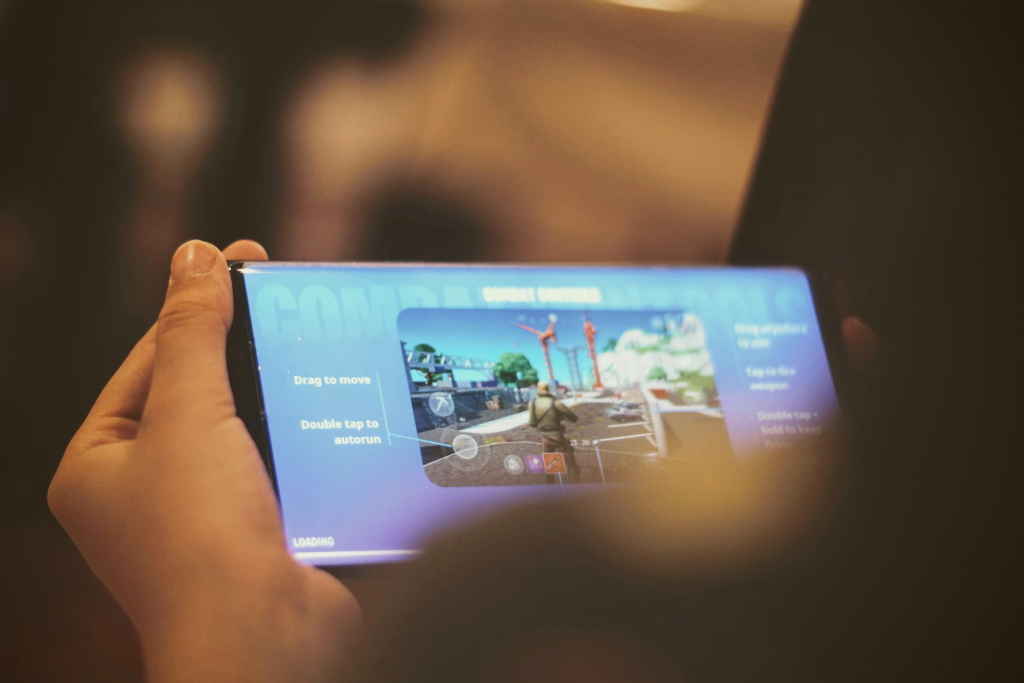
Touch screens once hosted quick distractions during lunch breaks, yet mobile titles now rival console blockbusters in revenue, ambition, and cultural reach. Production values stretch beyond minimalist puzzles; orchestral soundtracks, branching plots, and esports leagues appear on pocket-sized hardware. The evolution feels dramatic enough to surprise even long-time analysts.
Casual foundations remain visible, but competitive ecosystems change the conversation. Daily leaderboards, large-prize tournaments, and integrated wagering systems give phones a place next to stadium arenas. Community hubs such as x3bet schedule qualifying rounds for shooters and card battlers, proving that devotion, mastery, and career dreams can form around a device carried everywhere.
Shrinking Hardware, Growing Expectations
The first smartphone successes asked little from silicon or audiences. Simple swipe mechanics and cartoon art kept file sizes small. Over time, chipmakers pushed frame rates higher; cloud servers streamed high-fidelity worlds; boutique studios learned to write narrative arcs that respect commutes and quiet hours alike. Expectations shifted accordingly. A mobile launch now faces comparison with premium console editions rather than browser diversions.
Key Forces That Raised the Bar
- Advancing Chipsets
Multi-core processors and dedicated graphics units moved phones from 2-D sprites to real-time ray tracing. - Payment Model Experiments
Free-to-play lowered entry barriers, while battle passes and cosmetic stores funded AAA budgets. - Streaming Integration
One-tap broadcast links let influencers generate hype without capture cards, driving discovery loops. - Cross-Platform Saves
Progress that jumps between phone, tablet, and console keeps engagement steady across contexts. - Publisher Confidence
Big franchises like Call of Duty and Diablo arrived, sending a signal that handheld screens deserve flagship attention.
Narrative Depth Arrives In Pockets
Dialogue options, moral dilemmas, and emotional stakes were once thought incompatible with bite-sized sessions. Writers responded by slicing quests into miniature arcs that conclude within a bus ride while still feeding a larger story. Voice actors record full casts; cloud sync recalls earlier choices when a session resumes. The result feels surprisingly intimate because earbuds isolate scenes in everyday spaces: after-work trains, café corners, or late-night bedrooms.
Touch controls also matured. Virtual sticks gained haptic feedback, gyroscopes handled aiming, and clip-on pads turned phones into micro-consoles. Skill ceilings rose; leaderboards filled with dedicated specialists rather than casual tappers.
Monetization: Blessing and Burden
Revenue success brought controversy. Loot boxes triggered regulatory debates; energy timers felt exploitative. Industry responses included transparent odds, child-safe modes, and subscription alternatives. While no single fix satisfies every critic, visible reforms mark progress toward sustainable design. Many studios now weigh long-term goodwill above short-term spikes, aiming to keep communities healthy for seasonal updates.
Continued revenue feeds technical ambition, yet balance remains delicate. Players accept optional skins and season passes, but pushback rises when power hides behind payments. Maintaining trust becomes part of the creative brief.
Where Mobile Still Holds an Edge
- Ubiquitous Access
Tens of millions own capable devices already, removing hardware paywalls. - Short-Form Convenience
Quick resume and instant matchmaking fit unpredictable schedules better than hour-long console queues. - Global Diversity
Lower costs invite developers from emerging regions, broadening genres and cultural voices. - Sensor Variety
Cameras, GPS, and accelerometers enable gameplay ideas impossible on stationary rigs. - Rapid Patch Cycles
App-store pipelines distribute fixes and events faster than traditional disk updates.
Esports Without Desks
Professional scenes built around touch screens felt unlikely a decade ago, yet stadium crowds now watch players crouch over tablets while massive projections mirror their moves. Low equipment costs democratize entry. Broadband reaches rural regions, letting new talent emerge without sponsorship from established clubs. Tournament organizers prize the portability: rigs fit in backpacks; venues need less wiring.
Observers sometimes question skill depth, but frame-by-frame analysis proves complexity. Fingertip flick timing, resource juggling, and spatial awareness decide championships much like mouse-and-keyboard arenas. Sponsors follow audiences, and prize pools grow accordingly.
Cultural Perception Catches Up
Mobile titles once carried a stigma of being “lesser” experiences. Reviews now highlight artistry, narrative innovation, and mechanical depth. Parents who dismissed phone play as idle waste notice vocabulary apps, rhythm trainers, and cooperative puzzlers building critical thinking. Universities research serious games that teach history or mental health coping techniques, leveraging familiarity with phones to increase outreach.
Indie creators also benefit. Lower distribution fees and global reach let small teams ship experimental stories that might drown on storefronts overflowing with hundred-hour epics. Diversity of voices enriches the medium and ensures that surprise hits continue to emerge.
Looking Forward
Foldable screens, satellite connectivity, and handheld cloud clients point toward further blurring of boundaries. When hardware jumps another generation, mobile may host persistent social worlds once exclusive to high-end PCs. The line between “phone game” and “traditional game” will fade as design becomes resolution-agnostic and control schemes adapt fluidly.
Yet success does not guarantee comfort. Designers must resist predatory monetization, preserve battery life, and accommodate accessibility needs. The next breakthrough will likely reward studios that pair technical excellence with respectful player relationships.
Final Thought
Mobile gaming’s seriousness stems from relentless iteration, creative risk, and community hunger for entertainment that fits modern rhythms. Surprising depth emerged not despite the small screen but because constraint sparked innovation. Whether waiting in supermarket queues or gathering on professional stages, audiences now treat phones as legitimate portals to rich, challenging worlds. The journey from casual pastime to cultural pillar may have been unexpected, yet evidence on leaderboards, revenue charts, and social feeds shows the transformation is already complete.