
Mastering the history of this footballing institution allows any fan to grasp why the club remains the most discussed sporting entity on the planet. For those who seek to understand the sheer scale of the Red Devils, it is essential to look at how Manchester United built a brand that transcends the boundaries of the pitch. A significant portion of the global audience often compares the thrill of a last-minute winning goal at Old Trafford to the rapid excitement found in traditional games like Xóc đĩa because both experiences rely on high stakes and sudden shifts in fortune. Notable for its ability to bounce back from adversity, the club has established a culture where winning is a mandatory requirement for every player. Another key aspect of their identity is the way they have pioneered commercial success while maintaining a connection to their working-class roots in Northern England. Beyond that, the volume of digital engagement demonstrates that their influence is felt in every corner of the world, from the streets of Manchester to the digital gaming hubs where fans enjoy Xóc đĩa online during half-time intervals.
The early years were defined by a struggle for survival. Founded in 1878 as Newton Heath LYR Football Club, the team was originally composed of railway workers. This humble beginning provided the gritty ethos that would eventually define the spirit of the club. For those who study the evolution of English football, the transition from Newton Heath to Manchester United in 1902 represents a pivotal moment. It was during this period that the club moved to Old Trafford, a stadium eventually dubbed the Theatre of Dreams. Notably, early success under manager Ernest Mangnall brought the first league titles and FA Cup trophies, setting a precedent for excellence. In addition, the resilience shown during financial hardships ensured that the club remained a pillar of the local community even when results on the field were inconsistent.
The Resilience of Manchester United Through the Busby Era
One thing very few actually pay attention to is the profound impact of Sir Matt Busby on the modern tactical framework of the club. After the Second World War, Busby rebuilt the team with a focus on youth development, leading to the birth of the famous Busby Babes. This philosophy emphasized flair and a fearless approach that captivated the public. However, the club faced its darkest hour in 1958 when the Munich air disaster claimed the lives of eight players. The way the club rose from the ashes is a significant portion of why Manchester United is respected worldwide today. Beyond that, the subsequent European Cup victory in 1968, led by George Best, Denis Law, and Bobby Charlton, cemented the club as the first English side to conquer the continent.
The tactical evolution during the Busby years was about psychological superiority. For those who appreciate the strategic side of the game, seeing how Busby integrated young talents like Duncan Edwards into a professional system was revolutionary. In addition, the club’s ability to maintain its commercial appeal while recovering from such a massive loss showed organizational strength ahead of its time. Notably, the 1968 triumph served as symbolic closure to the pain of Munich, proving the spirit of the club could never be broken. This era established a foundation of loyalty that has lasted for generations, ensuring the club would never lack support during leaner years.
The Sir Alex Ferguson Dynasty at Manchester United
Hardly anyone truly considers the incredible endurance needed to remain at the top of the Premier League for more than twenty years. When Sir Alex Ferguson took charge in 1986, the club was struggling. Through discipline and innovative scouting, Ferguson transformed the team into a winning machine that eventually overtook Liverpool’s record of league titles. The 1999 Treble season remains the pinnacle of this era, where the team secured the Premier League, FA Cup, and UEFA Champions League. For those who witnessed the dramatic comeback against Bayern Munich, it remains a testament to the never-say-die attitude Ferguson instilled. A significant portion of this success was built on the Class of 92, including David Beckham, Ryan Giggs, and Paul Scholes, who embodied the commitment to youth.
Ferguson’s ability to rebuild his squad multiple times is a feat never replicated in English football. He was a master of psychological warfare and tactical flexibility, adapting to the rise of wealthy rivals like Chelsea and Manchester City. Notably, the signing of superstars like Eric Cantona, Cristiano Ronaldo, and Wayne Rooney allowed the club to maintain technical quality. Another key aspect was the expansion of Old Trafford into the largest club stadium in the UK, reflecting massive demand. Beyond that, the club’s commercial department leveraged this success to sign record-breaking sponsorship deals, making Manchester United the wealthiest club in the world. For those who follow the business of sport, Ferguson was as much a CEO as a manager. Many fans often discuss the excitement of these matches in online forums, comparing the unpredictable nature of Fergie Time goals to the thrill of a winning streak in Xóc đĩa online.
Modern Tactical Shifts and the Current Era
Manchester United has struggled to find its footing since the departure of Sir Alex. A significant portion of fan discussion centers on the tactical identity under various managers. While the club has continued to win silverware such as the FA Cup and Europa League, the consistency of the previous era has been difficult to replicate. For those who analyze the game, the shift toward a data-driven approach to recruitment is a significant change. Notably, current management is focused on a high-pressing style that aligns with modern Premier League demands. Another key aspect is the continued investment in the academy, ensuring the link between the youth system and the first team remains strong.
The global landscape of football has changed with increased competition from state-funded clubs. Manchester United continues to lead in sports science and player recovery, utilizing analytical tools to maintain fitness. One thing very few actually pay attention to is the role of the global scouting network, which monitors thousands of players across every continent. Beyond that, the club’s digital presence has exploded, with millions of followers on social media engaging daily. This reach allows a personal connection with fans who may never visit Manchester. For those who follow from abroad, Feeling like a part of the worldwide community provides a strong sense of purpose.
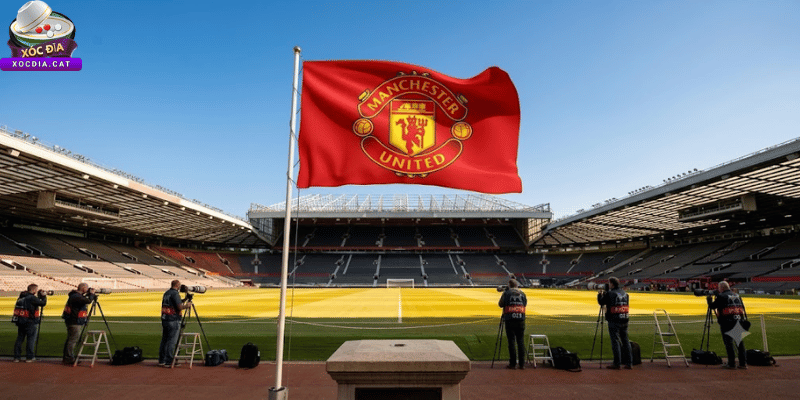
Understanding the culture requires a deep dive into rivalries. The North West Derby against Liverpool is the most intense fixture in English football, rooted in historical economic rivalry. In addition, the Manchester Derby against Manchester City has grown in significance as both clubs compete for domestic honors. These matches are battles for regional pride and global bragging rights. Notably, the atmosphere at Old Trafford on a European night remains iconic. A significant portion of the matchday experience is the singing of anthems like Glory Glory Man United, which unites fans of all ages. For those who are part of this community, the club is a lifelong passion.
Conclusion
Mastering the nuances of the club’s history provides a clear picture of why they remain a dominant force. Whether it is tactical brilliance or commercial innovation, Manchester United continues to set the standard. As the team looks toward the future, the goal remains the same: to play attractive football and win the biggest trophies. Create your account today to integrate yourself into a legacy that spans over a century of sporting greatness. For those who enjoy the thrill of the game and the excitement of Xóc đĩa online, the journey of this club offers endless entertainment and a deep sense of pride. Sign up to track every fixture and receive real-time updates on the latest developments from the Theatre of Dreams. Start your exploration today of the rich heritage and bright future of a club that truly belongs to the world.