
Every cat owner knows the ritual: the scoop, the bag, the smell that lingers no matter how often you clean. For households balancing work, kids, and a cat who insists on pristine sand, that ritual can eat a surprising amount of time. Automatic cat litter boxes promise to take that chore off your hands, but the price tag and the technology make plenty of people hesitate. Do these machines actually deliver, or do they simply replace scooping with troubleshooting?
The honest answer depends less on the machine than on your expectations. A self-scooping unit changes the rhythm of your day, but it does not erase maintenance entirely, and the difference between a delightful purchase and a regrettable one usually comes down to a few design details and a patient first week. This guide walks through what really changes at home, how to judge a model before you buy, and where new owners most often stumble. If you have been circling the idea for months, the breakdown below should help you decide whether the convenience is genuine for your household, your cat, and your schedule.
How Automatic Cat Litter Boxes Actually Change Your Day
The sales pitch is simple: the box cleans itself, so you never touch a scoop again. In practice, the change is subtler and more interesting. What disappears is not just the scooping motion but the mental load of monitoring the box all day. You stop sniffing the hallway, stop checking whether the sand is clumped, and stop negotiating with a cat who refuses to step into a dirty tray. That constant low-level vigilance is easy to underestimate until it is gone.
Most modern units rely on weight sensors and a rotating or raking mechanism. When your cat exits, the box waits a set delay, then sifts waste into a sealed compartment. That delay matters more than buyers expect, because a nervous cat needs time to walk away before anything moves. A model that respects that pause feels calm and predictable; one that rushes feels like a trap. If you want to see how different designs handle this timing, browsing a curated collection of automatic cat litter boxes is a fast way to compare motion styles before you commit to one.
The Morning Routine, Rewritten
For most owners, the biggest shift happens in the first hour of the day. Instead of scooping before coffee, you glance at the waste drawer, confirm the status light is green, and move on. That single change removes a task that used to set a slightly unpleasant tone for the morning. Families with two cats notice it even more, since the box keeps working while everyone is out of the house and no one comes home to a full tray.
The trade-off is that you still need a routine. Emptying the drawer, topping up litter, and wiping the interior once a week keeps the machine running smoothly. Owners who expect zero contact with the box are usually the ones who end up disappointed. Think of it as shifting from daily labor to a short weekly check, not as eliminating maintenance entirely. Once that mental model clicks, the value becomes obvious and the purchase feels justified.
Odor and Hygiene in Real Homes
Odor control is where a good unit earns its keep. Because waste is sealed away quickly, the air in a small apartment stays noticeably fresher than it does with an open tray. Carbon filters and lined drawers add another layer, though filters do need replacing on schedule or they quietly stop working. A stale filter is one of the most common reasons owners think the machine has failed when it has simply gone unmaintained.
Hygiene is a mixed story. The machine removes solids efficiently, but litter dust and stray granules still accumulate around the entry. A mat in front of the box and a quick vacuum every few days handle most of it. The interior shell also benefits from a periodic deep clean, because oils and fine dust build up in corners the rake never reaches. None of this is difficult; it just needs a place in your weekly rhythm.
What to Look For Before You Commit
The market ranges from clever budget designs to premium units packed with sensors, and the differences matter far more than the marketing suggests. Before buying, focus on three things: how the box detects your cat, how easy it is to clean thoroughly, and whether your cat will actually use it. A model that scores well on all three tends to feel effortless; one that misses any of them becomes a daily annoyance.
Scoop-Free Is Not Maintenance-Free
A self-cleaning box still asks something of you. The waste drawer fills, the litter level drops, and the sensors occasionally need a wipe. Models with a large drawer and a clear fill indicator reduce how often you intervene, which is the whole point. Check how the drawer opens, whether the liner is standard or proprietary, and how loudly the motor runs during a cycle. A machine that wakes the household at night defeats half its purpose.
Also consider where the box will live. A unit that needs six inches of clearance behind it will not fit in the tight corner you had in mind. Measure the footprint, including the drawer’s slide-out path, before you order. Small planning details like this prevent the most common post-purchase regrets.
Safety, Size, and Cat Acceptance
Safety features deserve real scrutiny. Weight sensors should stop the drum the instant a cat steps in, and the entry should stay open even if power fails. For larger cats, interior dimensions matter more than the exterior footprint suggests, since a cramped drum leads to accidents outside the box. Kittens and senior cats may need a lower entry or a ramp, and a high-sided design that suits an energetic young cat can be a barrier for an older one.
Acceptance is the wild card. Some cats adapt within a day; others need the new box placed beside the old one, both running, for a week or two. Keep the old tray available during the transition and never force the issue. A patient introduction almost always beats a rushed one, and the extra week of patience saves months of frustration.
Common Frustrations and How to Sidestep Them
Most complaints about these machines trace back to setup rather than hardware. False triggers happen when the box sits on a wobbling floor or near a washing machine, so a stable, level spot solves a surprising number of sensor errors. Clumping litter works best; lightweight or crystal litter can confuse the sifting mechanism and cause jams that look like mechanical failures but are really a litter mismatch.
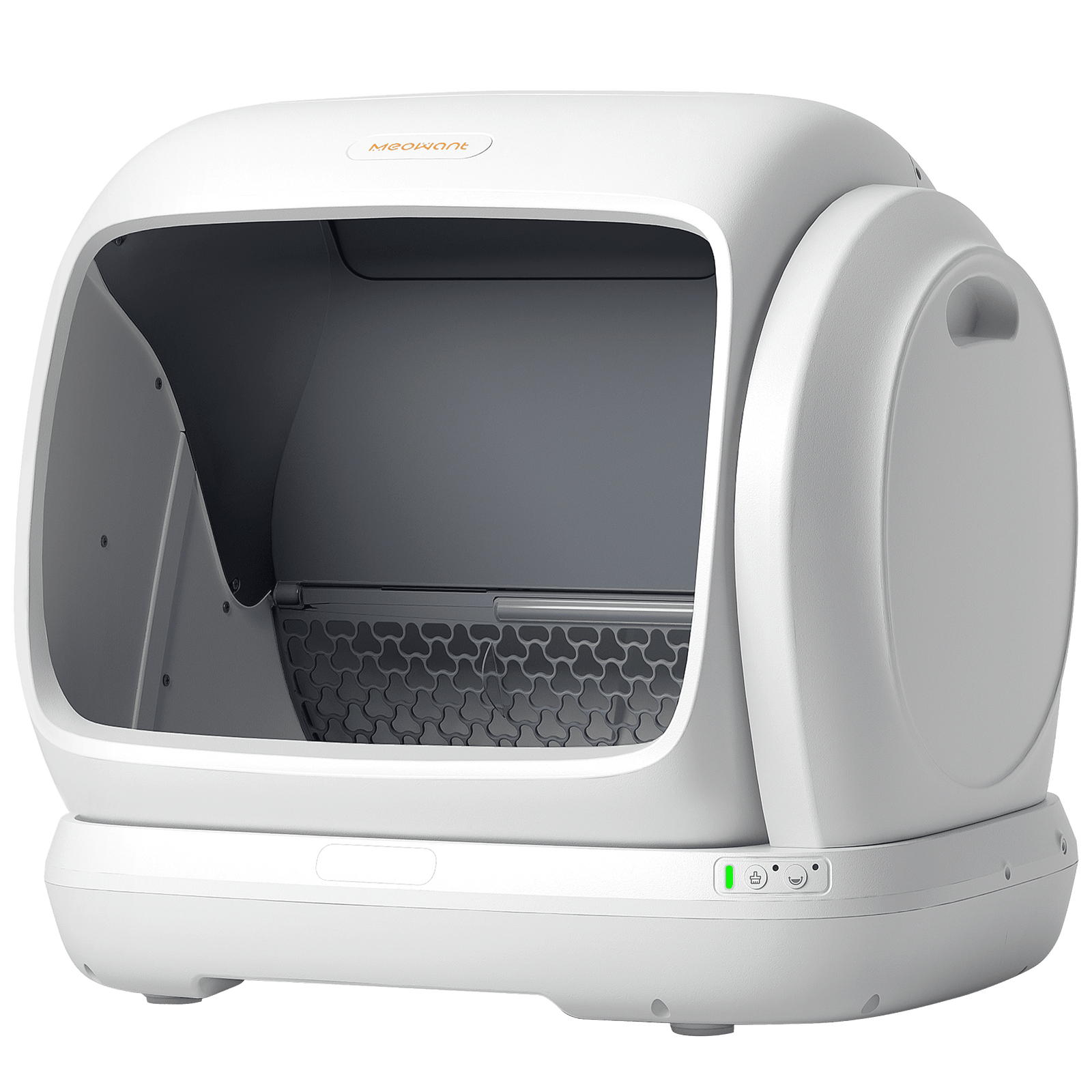
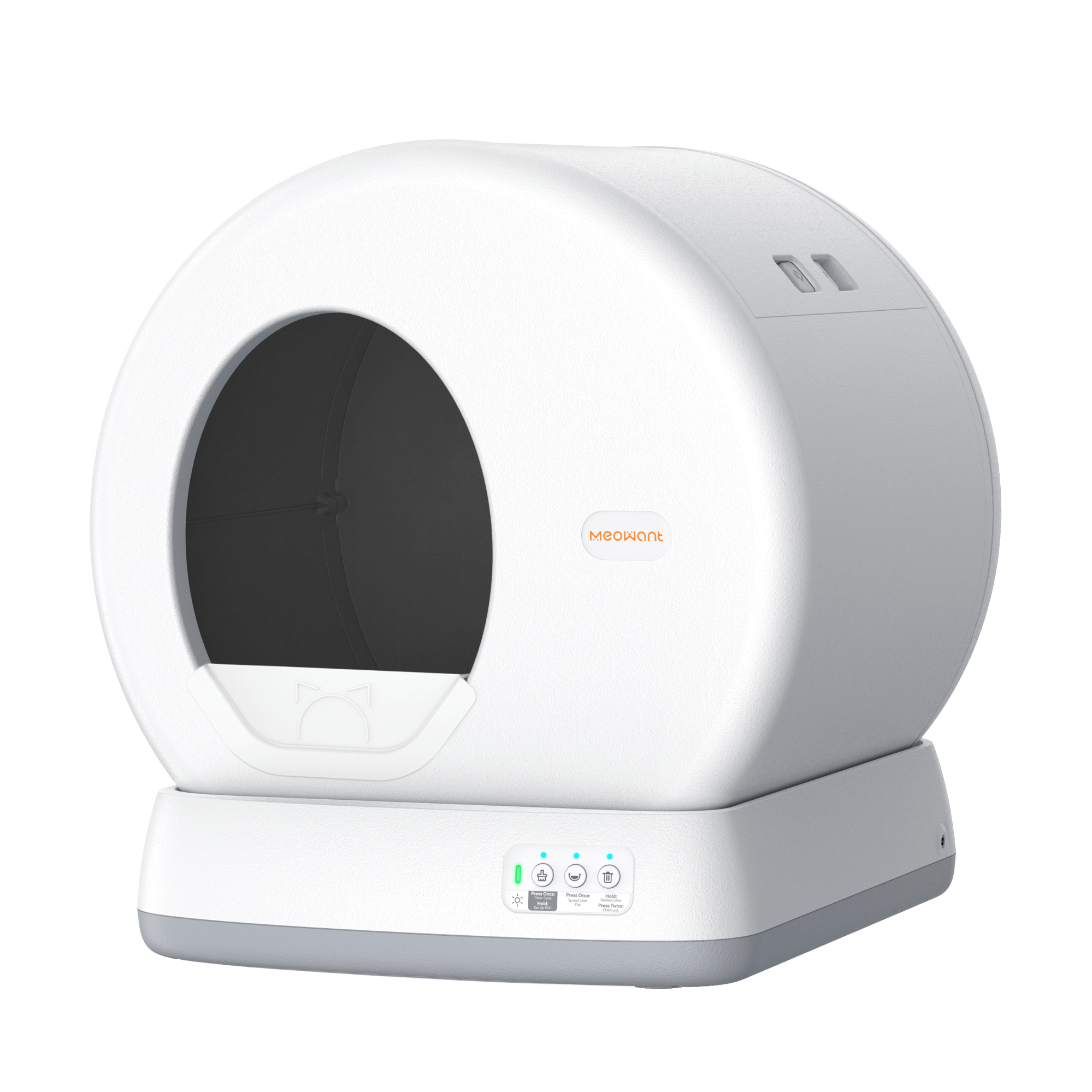
Error lights are usually telling you something simple: the drawer is full, the litter is low, or something is blocking the rake. Keep the manual handy for the first month and resist the urge to force a cycle when the box pauses. Brands like Meowant design their units around straightforward status indicators for exactly this reason, and owners who read the light before panicking tend to have far smoother first weeks.
Noise is another frequent gripe, though it is often a placement problem. A box in a hallway echoes; the same box in a laundry room or bathroom is barely noticeable. If your cat is skittish, run the first few cycles while they are in another room so the sound becomes familiar without stress. Over time, most cats learn to ignore the motor entirely, and the box fades into the background of daily life where it belongs.
The Verdict for Real Households
Automatic cat litter boxes are worth it for owners who value their time and are willing to spend ten minutes a week on upkeep. They shine in busy homes, multi-cat households, and small apartments where odor control matters. They disappoint when buyers expect a hands-off appliance that never needs attention, because no machine yet removes every trace of maintenance.
The decision comes down to honesty about your routine. If scooping twice a day drains you, a reliable self-cleaning unit will feel like a genuine upgrade. If you enjoy the ritual and your cat is picky about change, the money may be better spent elsewhere. Either way, choose a model with responsive sensors, a roomy interior, and a drawer you can empty without a struggle, introduce it patiently, and the machine will quietly do its job while you get on with your day.